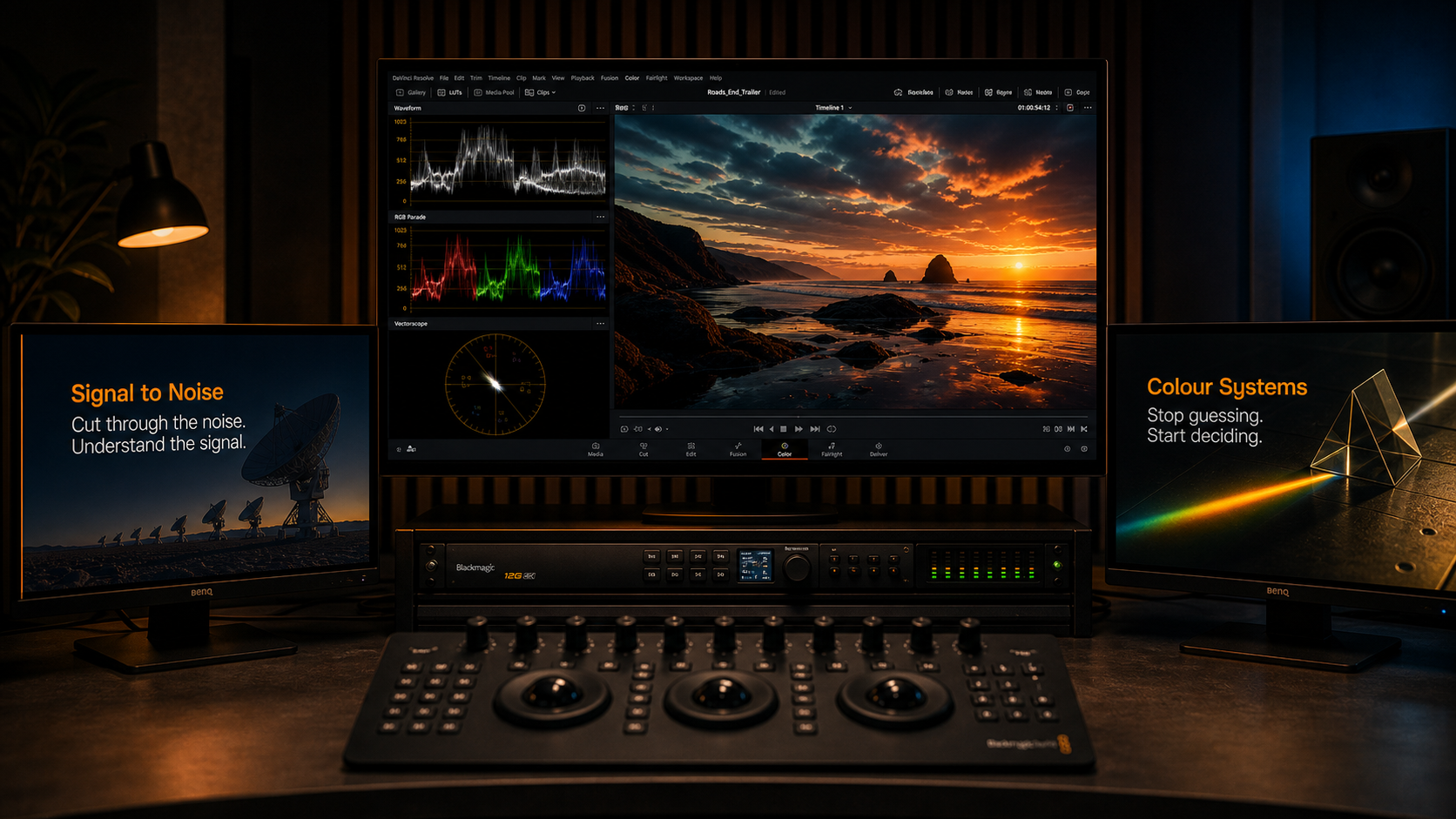
Grade with Intention
After many years of teaching colour and post-production, one pattern kept repeating: students knew how to operate the tools but not why. These are the courses I built to fix that.
Grading, delivery, and the decisions that make a picture hold up.
After many years of teaching colour and post-production, one pattern kept repeating: students knew how to operate the tools but not why. These are the courses I built to fix that.
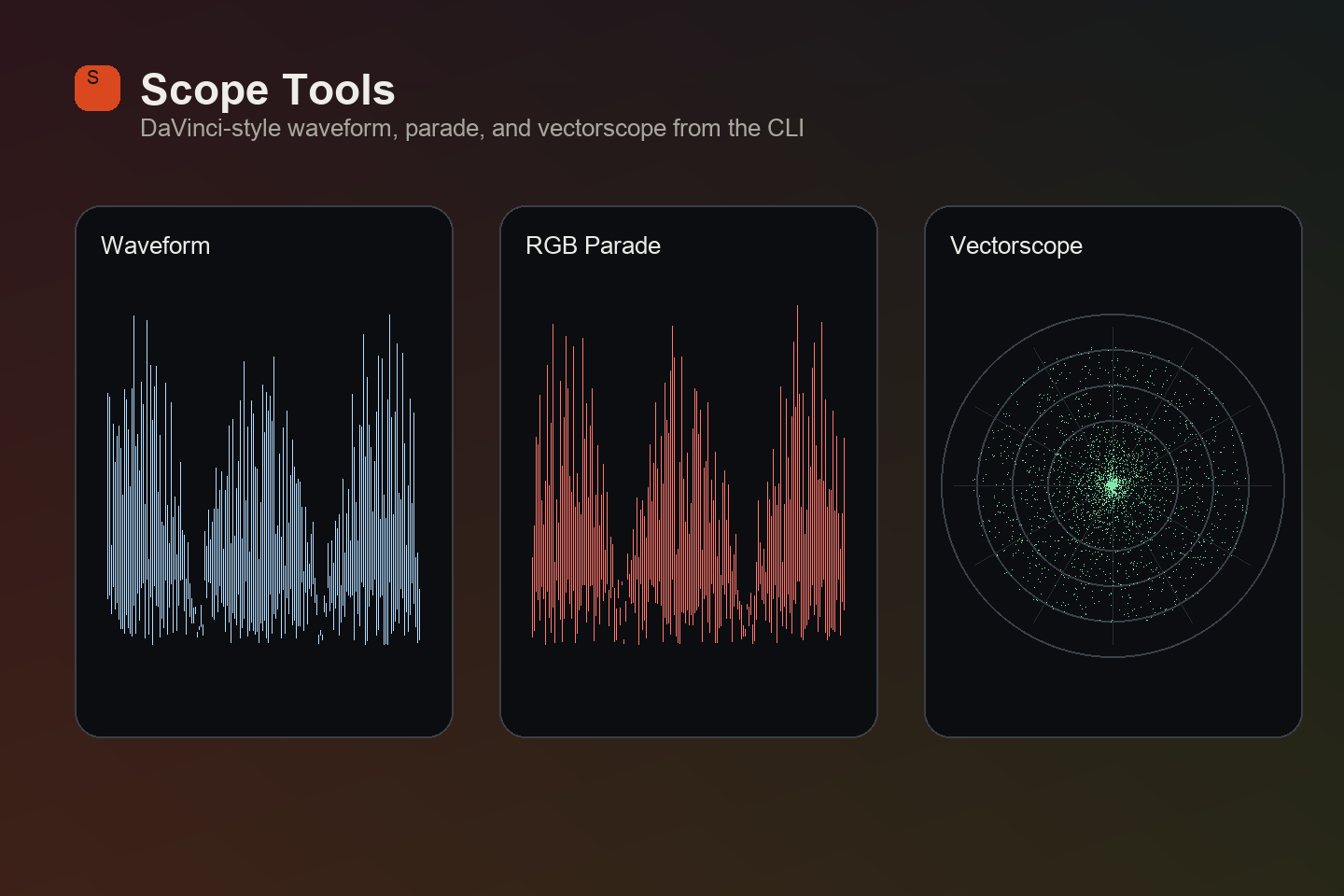
A small image-analysis workflow for generating waveform, RGB parade and vectorscope visuals from stills, built for teaching, writing, and explaining colour decisions.
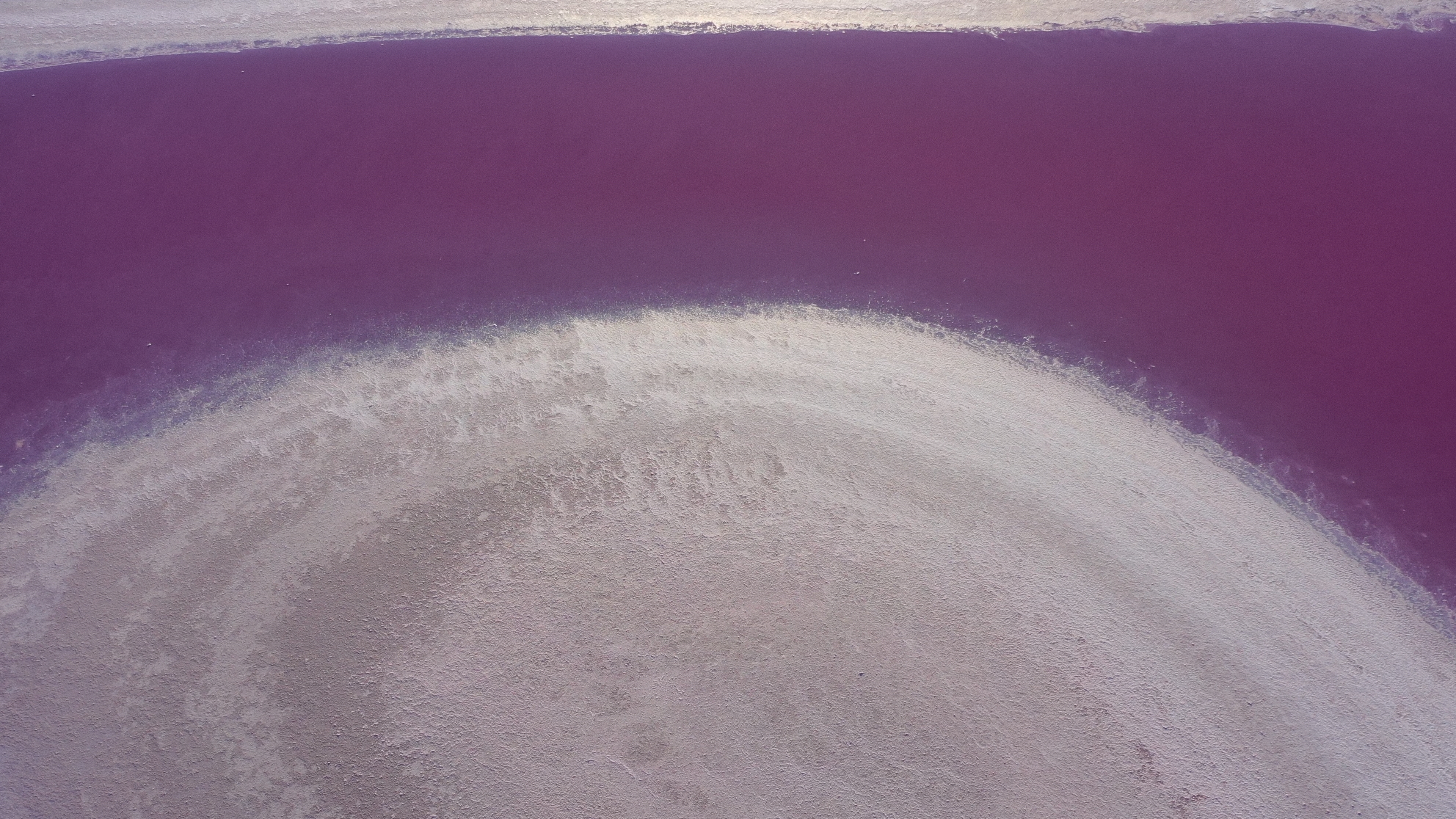
A practical breakdown of how to downscale intricate 4K imagery to 1080p while preserving fine detail, gradients, and texture with a controlled ffmpeg workflow.
An interview for RMIT on digital literacy as practical creative confidence: using tools with intent, communicating clearly, and building portfolio-ready work under real constraints.
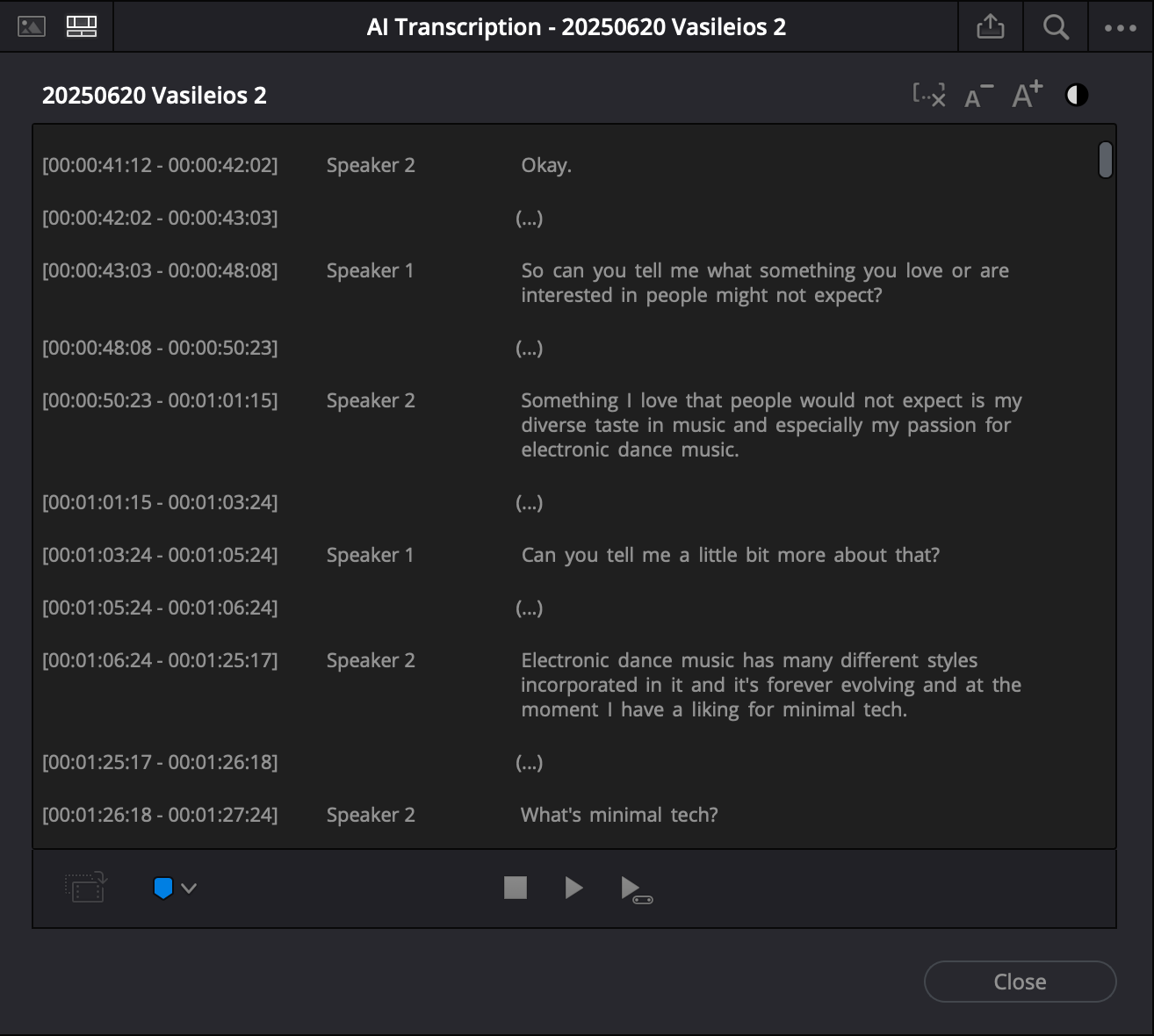
How I turned Resolve transcript exports into readable interview dialogue with a small Python utility that removes friction from editorial and publishing workflows.
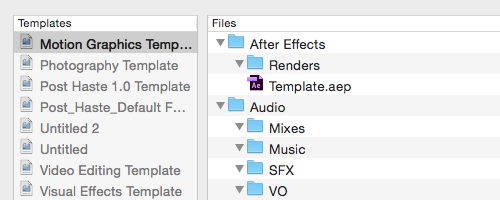
A practical breakdown of how I use Post Haste to standardise project setups, reduce preventable mistakes, and keep creative work scalable across teams.
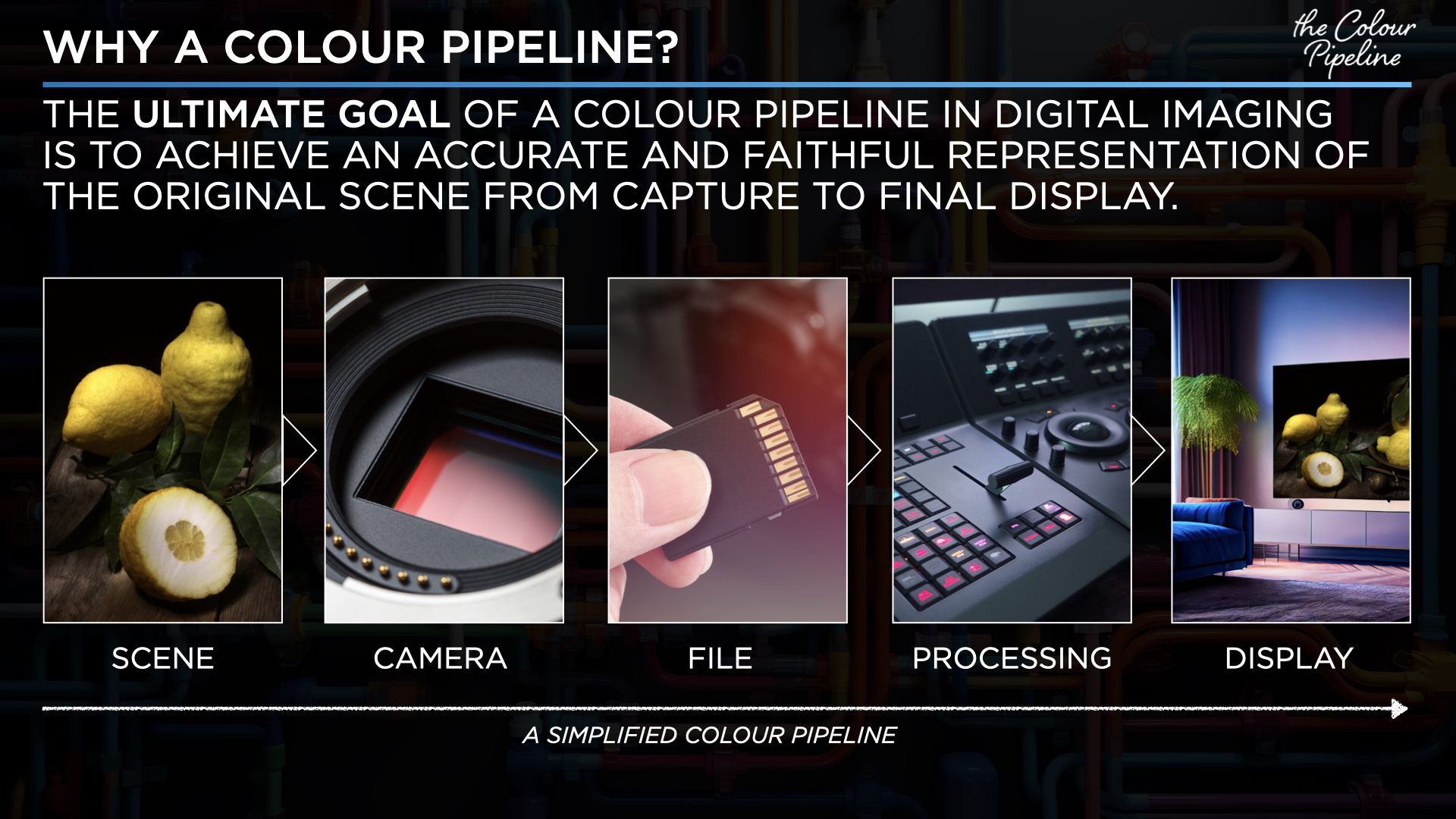
A condensed reflection on camera-to-post colour pipelines, from scene and sensor mechanics to transforms, skin tones, and delivery stability.
Storage, monitoring, migrations, and keeping a pipeline dependable.
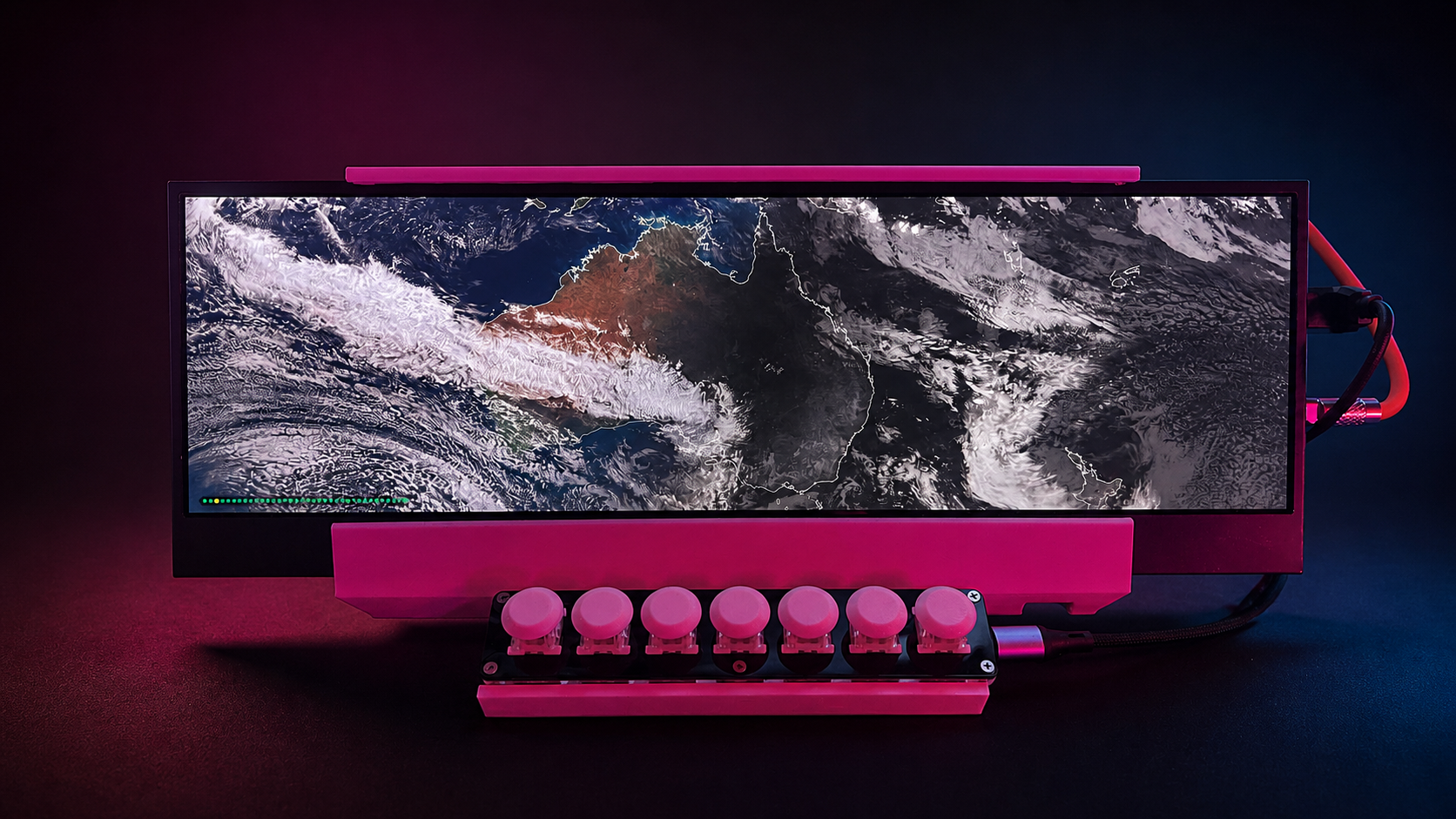
A practical build note on turning a Raspberry Pi 3, a 3840 × 1100 ultrawide monitor, a 3D-printed frame, and a seven-key button switcher into a dedicated home information display.
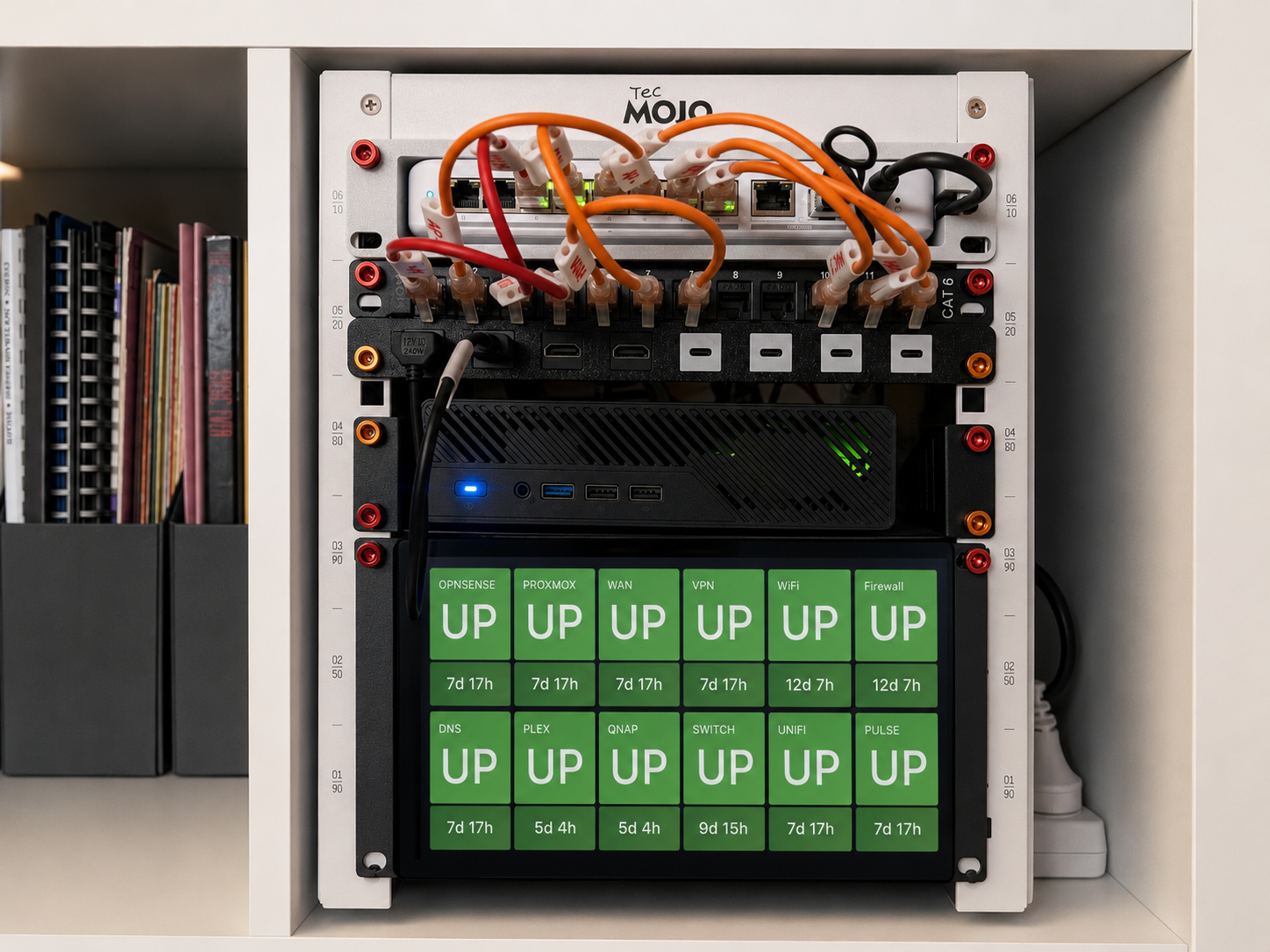
A practical architecture note on turning a Proxmox homelab into a visible, rack-mounted observability system using Grafana, Prometheus, Loki, PULSE, and a Raspberry Pi kiosk.
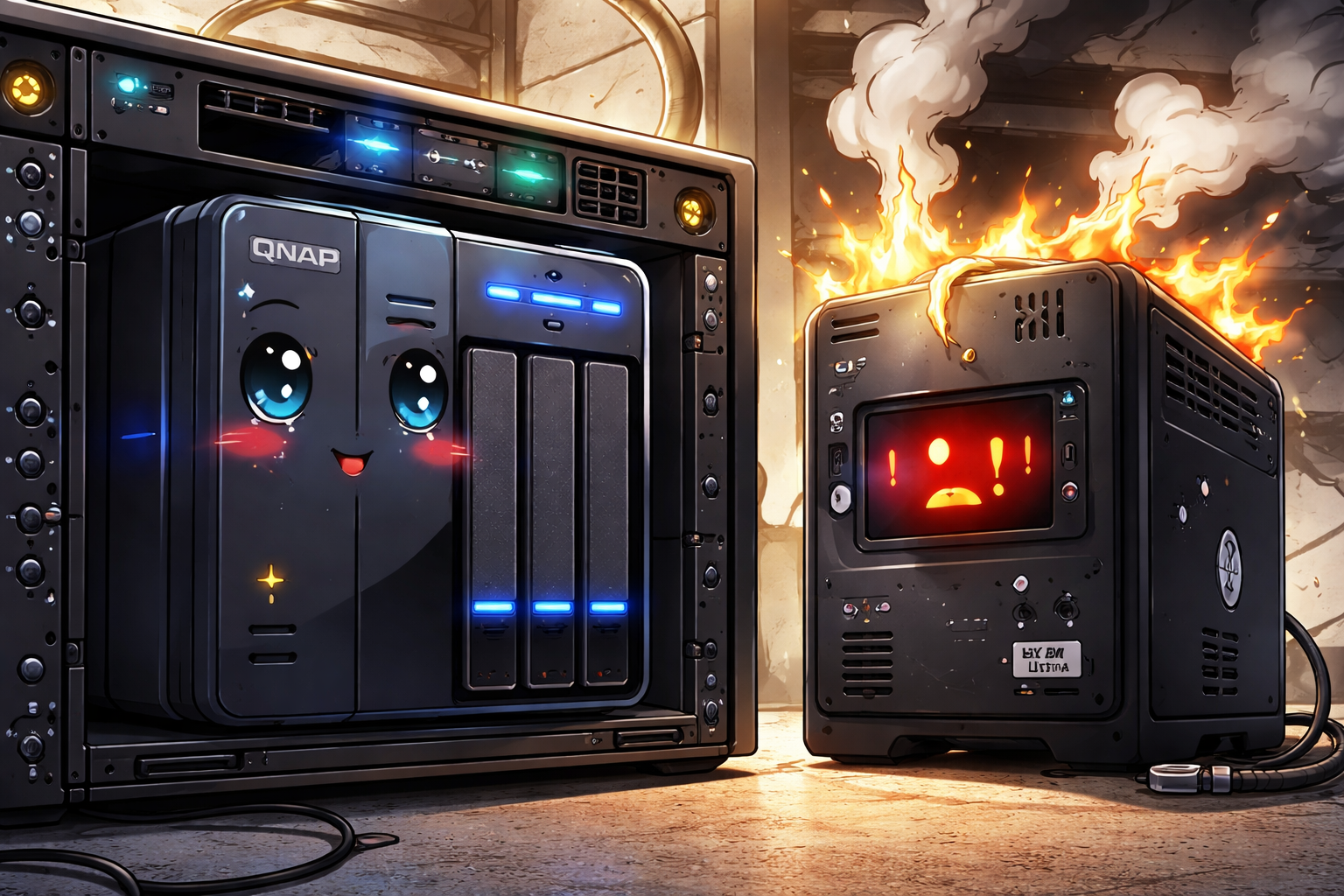
A field report from a failed “quick” NAS migration that became a reliability exercise in automation, recovery strategy, and not trusting optimistic transfer assumptions.
Hardware and software made to solve a specific challenge.
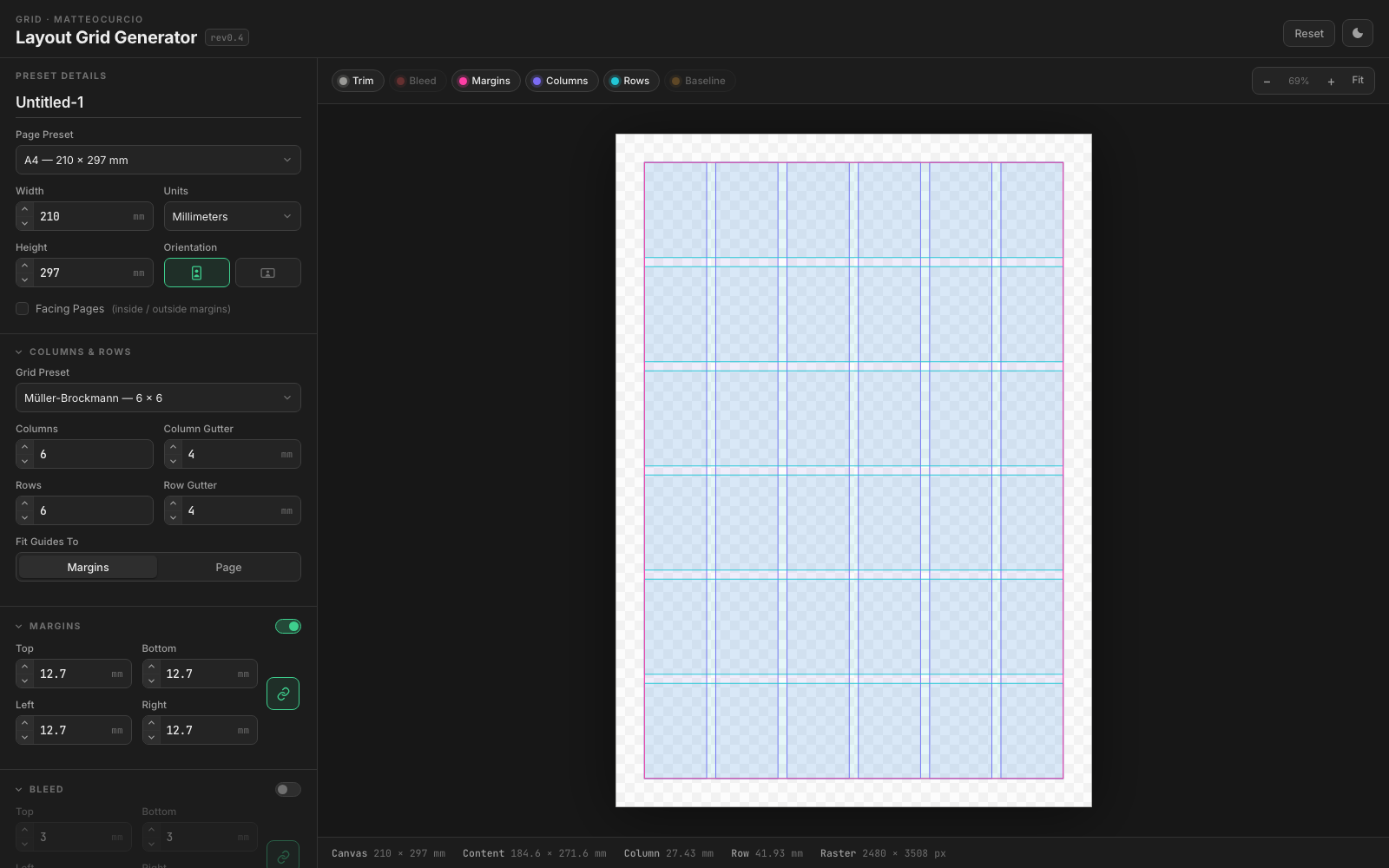
A browser tool for designing print and screen layout grids, shaped around familiar design workflows, clean exports, and one consistent geometry model.
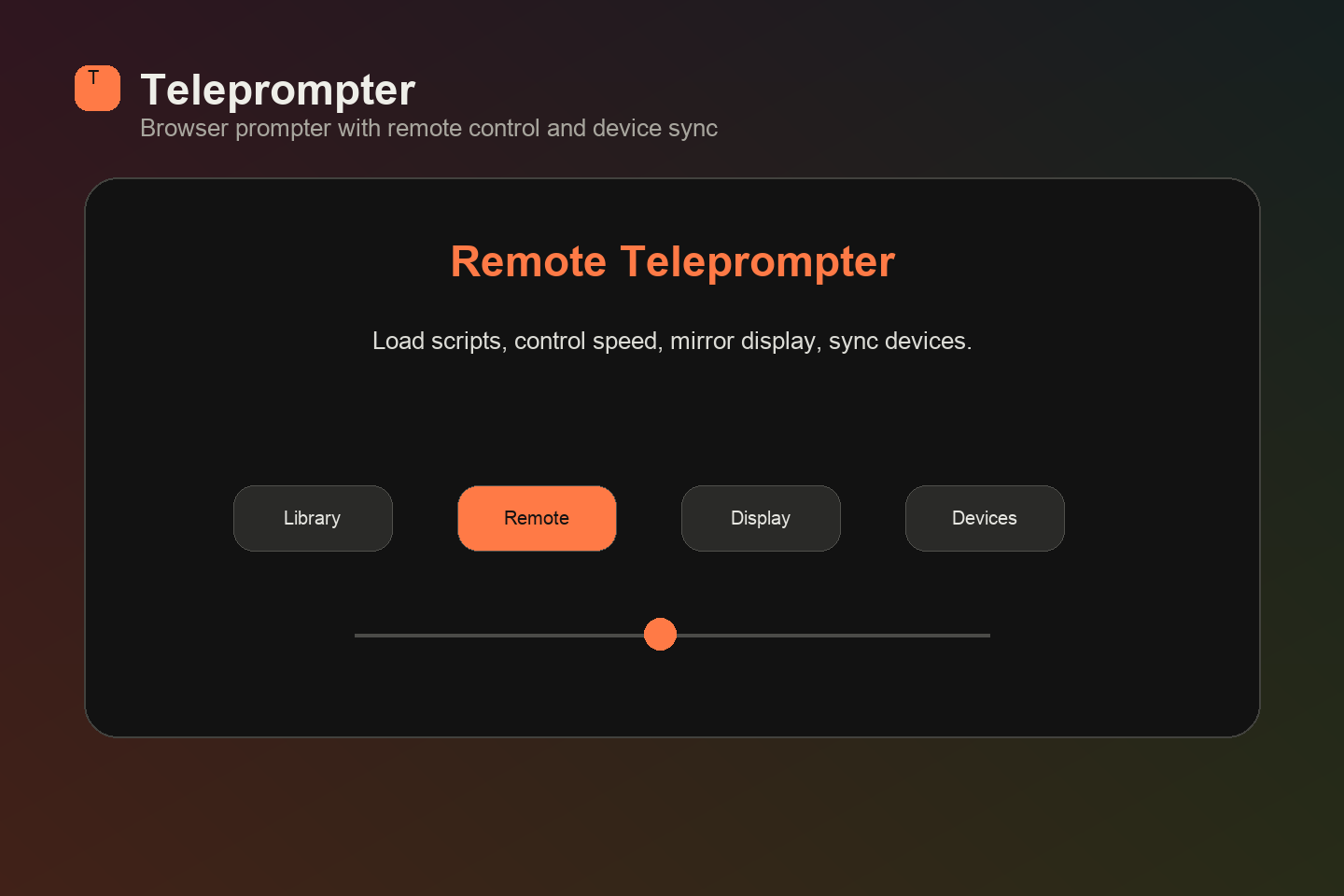
A local-network teleprompter designed for production work, where an iPad in the glass and an iPhone remote stay in sync without depending on the cloud.
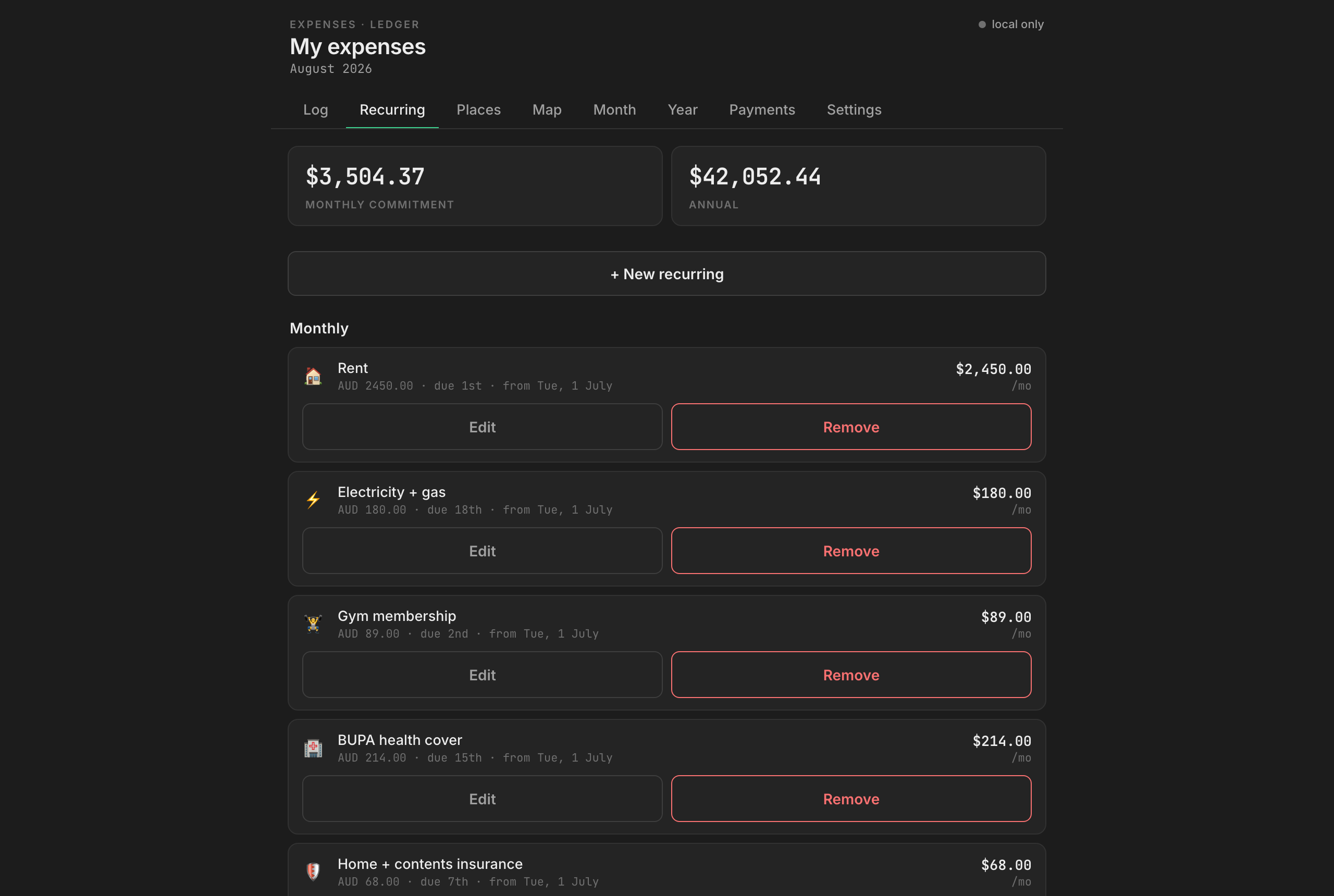
A private tracker for the real shape of living costs: recurring commitments, one-off expenses, places, categories, projections, and the small interface decisions that make money easier to read.
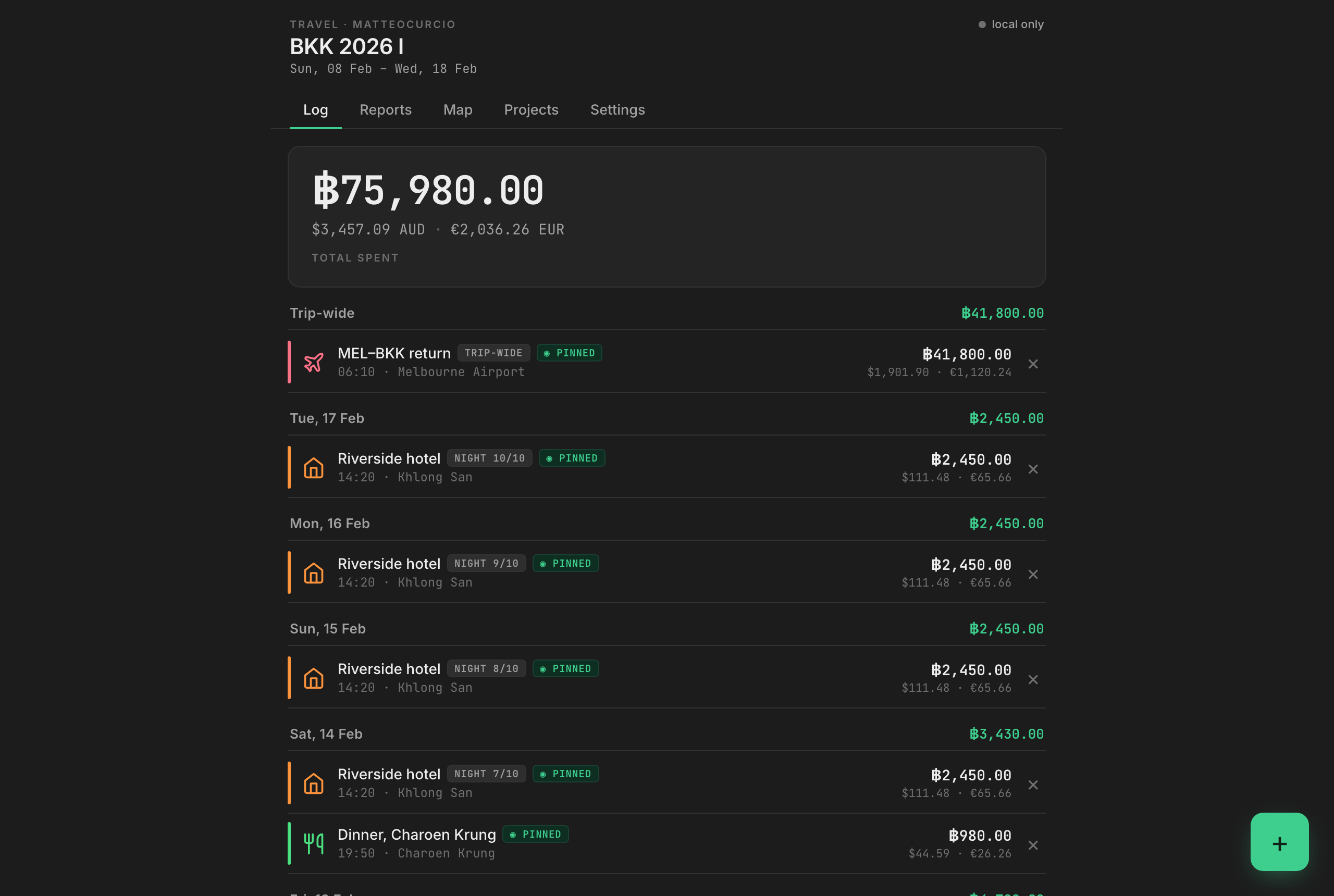
A travel expense tracker designed around the reality of travelling: no signal, quick entry, local-first logging, cached rates, GPS capture, and sync that waits its turn.
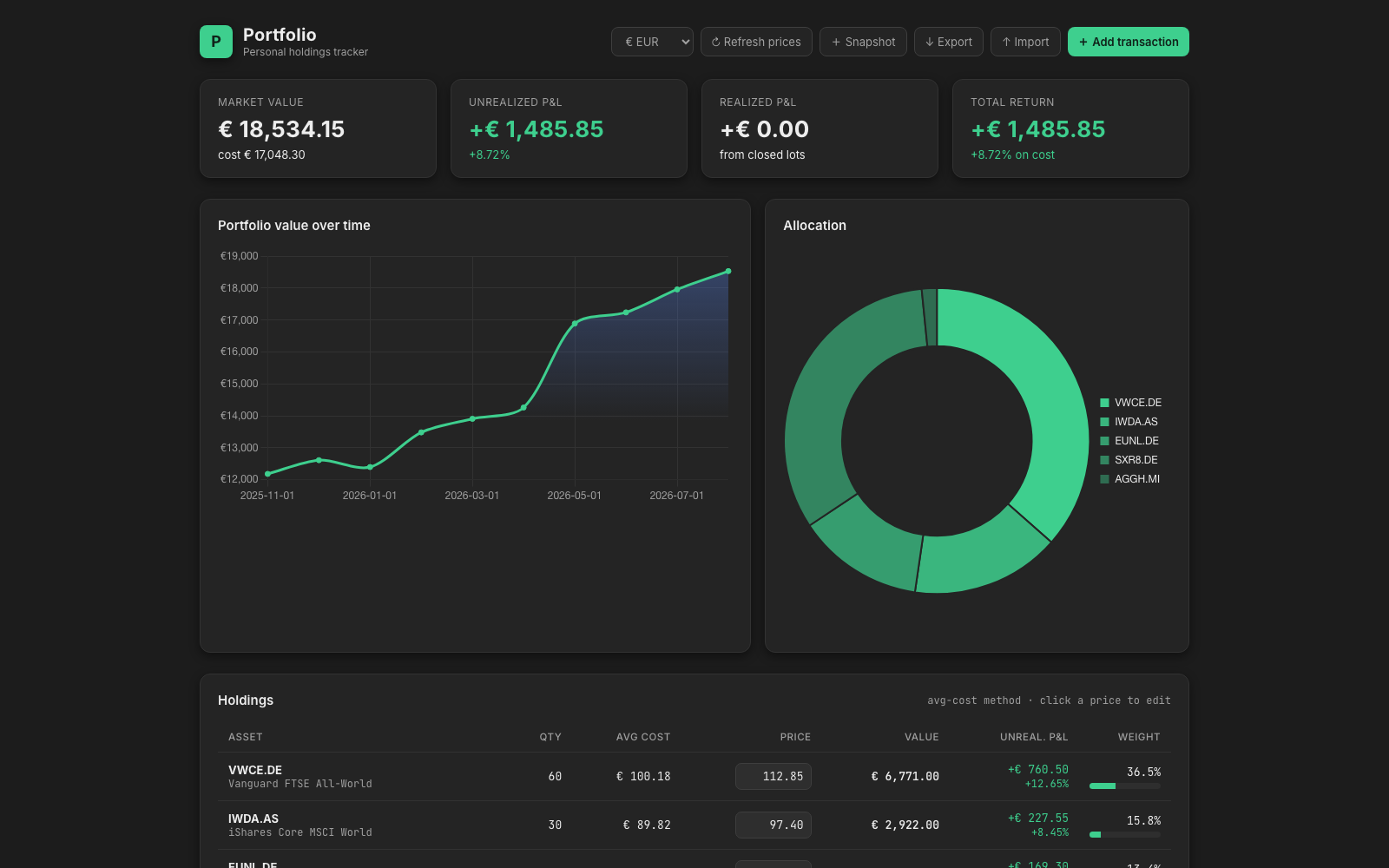
A private holdings tracker for stocks and ETFs, designed around local data, controlled exports, live quotes, and the simple rule that personal finances should not end up in a repository.
Wider writing on technology, media, and where they are heading.
On billionaires, bunkers, AI, and the systems being built to outlast social breakdown.
Why AI may not be making us smarter, just more average.
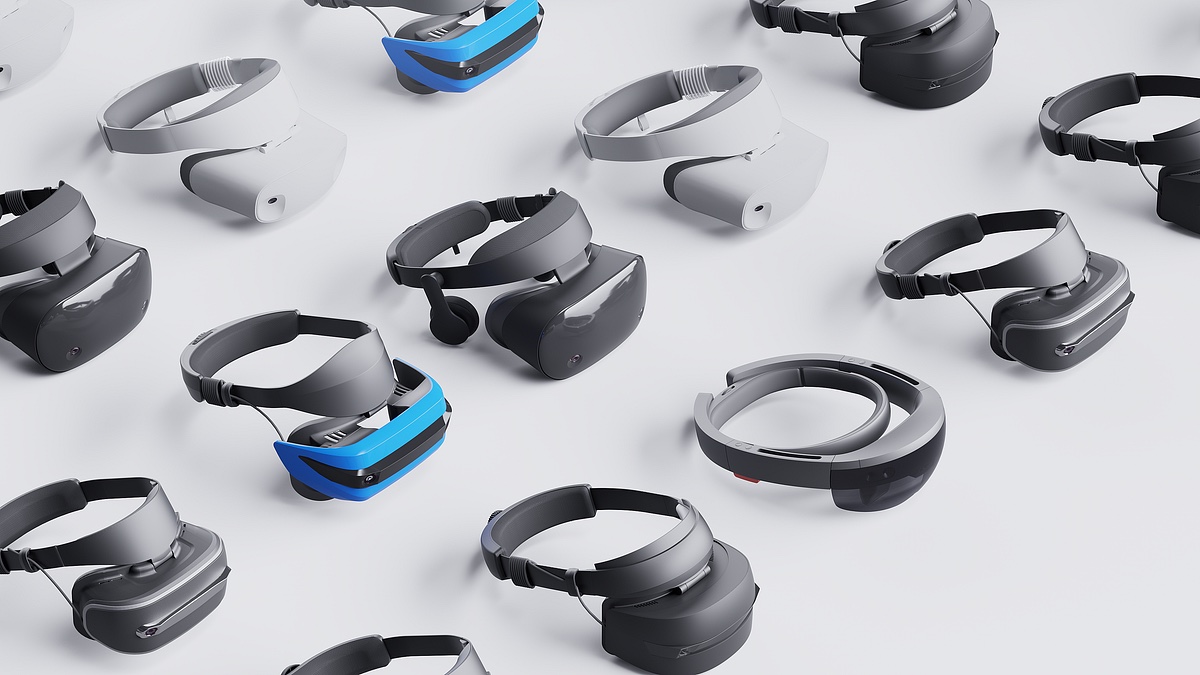
A practical breakdown of the reality-virtuality continuum: reality, VR, 360 video, AR, augmented virtuality, and why terminology still matters.